Reviewing a Feminine One-Line Motif for Craft Fair Products
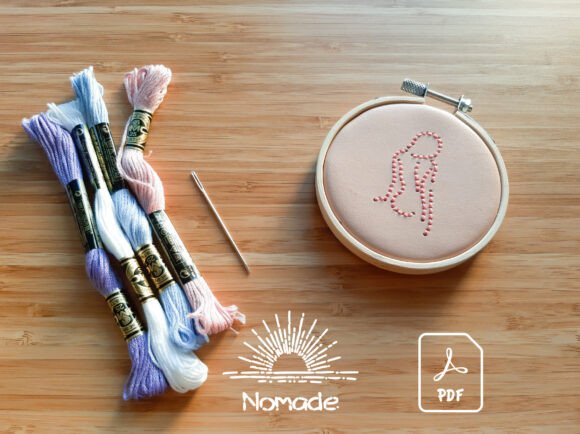
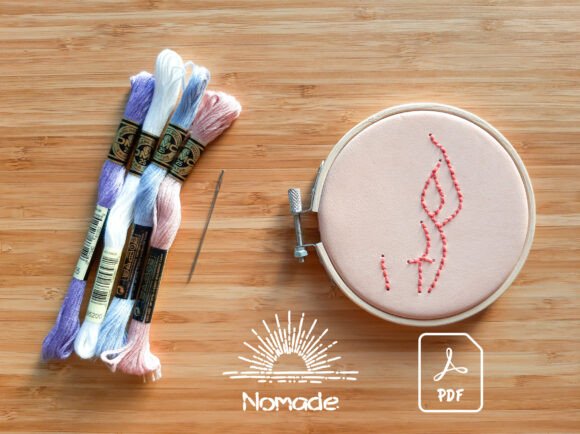
As an embroidery designer preparing for a weekend craft fair, my first task is to evaluate new designs through a practical lens. I’m looking at One Line Feminine Motif 2 Leathercraft, a decorative stitching pattern described as a line art female motif offered in four sizes. My immediate impression is that this design leans toward elegant and modern minimalism. The “one line” concept suggests a continuous, flowing drawing, which often translates to a clean, sophisticated look on finished products—a style that consistently attracts buyers at handmade markets.
Where This Design Stands Out on the Craft Fair Table
When I imagine my booth display—filled with embroidered tote bags, aprons, tea towels, and pillow covers—I consider where this motif would capture attention. Its feminine and minimalist nature means it won’t shout for attention amidst more rustic or festive designs. Instead, it will appeal to customers looking for something understated and decorative. It would shine best on products that serve as personal accessories or home decor items, where subtle elegance is valued.
For a craft fair product, I see One Line Feminine Motif 2 Leathercraft performing exceptionally well on a few key items. A tote bag design with this motif, placed centrally or on a pocket, would feel premium. On an apron embroidery, positioned on the bib or waistband, it adds a touch of personalized artistry without being overwhelming. As a focal point on a pillow cover, it creates a modern, gallery-like feel. These applications make it a strong candidate for small shop products aimed at a boutique-minded buyer.
Practical Production and Selling Points
From a production standpoint, the fact that it comes in four sizes is a major advantage. This allows me to scale the design for different projects without distortion. For a large market bag, I can use the biggest size for impact. For a embroidered patch or a small fabric pouch, the smaller sizes ensure the design remains clear and intact. This versatility is crucial for batch production.
However, as a professional, I must consider the careful-use notes. The “one line” style implies single-line stitching. On dense fabrics or textured towels, the design could appear faint if thread contrast isn’t high. On curved surfaces like caps, careful stabilizer use is key to prevent distortion. Most importantly, at the smallest offered size, the continuous line might lose clarity if there are any intricate twists or loops in the drawing. I would always test the smallest size on scrap fabric first.
Visual Appeal and Customer Engagement
This embroidery file affects product value by elevating simple items into handmade gifts with an artistic flair. At the booth, a well-executed sample on a crisp tea towel or a minimalist tote immediately communicates quality. It draws customers who appreciate handmade quality and clean design. For Etsy sellers, this design photographs beautifully for online listings—its simplicity translates well digitally, making it a strong digital embroidery file for commercial use.
The repeatable nature of the motif supports brand consistency. I could apply it across a product line—from aprons to pillow covers—creating a cohesive collection for my booth. This strengthens the overall booth display and encourages buyers to purchase multiple items.
Essential Designer Notes Before Production
Before I stitch anything for sale, my workflow includes several non-negotiable checks. First, I test the design on scrap fabric identical to my final product fabric. I check thread contrast, especially if using dark fabric; a light or metallic thread might be necessary. I review spacing and inspect stitch density—even a single line can have tension issues. Using the right stabilizer for the fabric texture is critical.
I always create at least one real mockup of my intended flagship product, like a tote bag. I compare fabric colors to see which background makes the motif pop most. Crucially, since this is a digital embroidery file categorized as Hand Embroidery Patterns and Graphics, I must confirm commercial licensing before selling finished products. The description does not specify license terms, so that is a vital step for any commercial embroidery business.
The four included sizes should correspond to common hoop sizes, but I would verify that alignment before starting. Finally, I would prepare printable mockups or design assets for my Etsy listings to showcase the pattern’s potential, driving interest both at the fair and online.
Final Judgment for the Craft Fair Booth
One Line Feminine Motif 2 Leathercraft is a design with strong potential for the modern, minimalist segment of the handmade market. It won’t be the loudest design on the table, but for the right customer, it will be the most compelling. Its success hinges on flawless execution—choosing high-quality thread, appropriate fabrics, and showcasing it on products where its elegance is a natural fit. For embroidery business owners looking to add a sophisticated, decorative line to their craft fair offerings, this motif, with careful preparation, can become a quiet bestseller.